MN Irrigation Calendar Month by Month
Spring: March–May
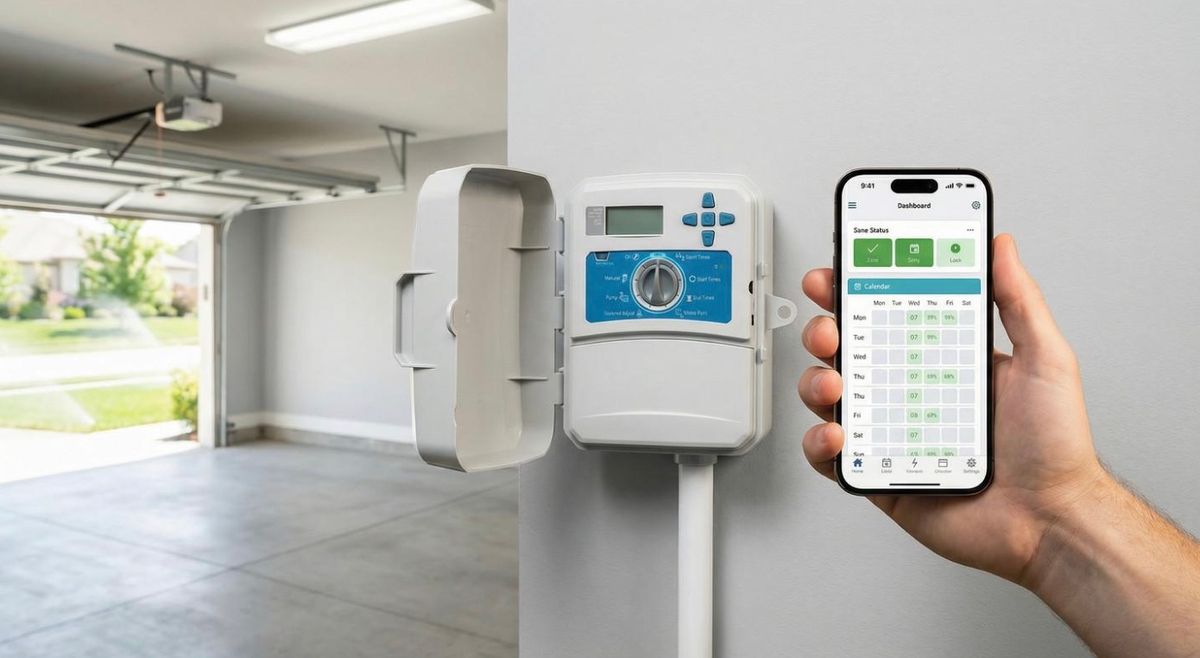
March: System is still winterized. Focus on planning — schedule your spring startup and backflow testing. Review your controller schedule from last year. April: Ground begins to thaw. Schedule spring startup for late April once overnight temps stay above 32°F consistently. We'll pressurize the system, check for freeze damage, adjust heads, and program your controller. May: System is active. Run each zone manually and walk the yard to check for broken heads, misaligned spray patterns, and dry spots. Set watering schedule to 2–3 days per week, early morning (4–6 AM). New sod or seed needs daily watering for the first 2–3 weeks.
Summer: June–August
June: Peak growing season begins. Increase watering to 3–4 days per week. Each zone should deliver about 1 inch of water per week total. Adjust for rainfall — smart controllers handle this automatically. Check soil moisture sensors if installed. July: Hottest month in Minnesota. Watch for signs of heat stress — wilting, footprinting, and browning. Water deeply and infrequently rather than short daily cycles. Mow at 3–3.5 inches to shade roots. Mid-summer is a good time for an irrigation audit to check efficiency. August: Gradually reduce watering frequency as temperatures cool. Watch for fungal issues from overwatering in humid conditions. Late August is ideal for overseeding — coordinate irrigation schedule with seed germination needs.
Fall: September–November
September: Reduce watering to 2 days per week. Continue watering new seed areas daily. Fall is the best time for aeration — coordinate with your irrigation schedule to water deeply after aeration. October: First frost typically arrives mid-month in the Twin Cities. Schedule winterization for mid-to-late October. Reduce watering to once per week or stop entirely after the first hard frost. November: System should be winterized by early November at the latest. All water blown out with compressed air, backflow preventer drained, controller set to off or rain mode. Late winterization risks freeze damage to pipes and valves.
Winter: December–February
December–February: Your irrigation system is dormant. This is the time to: • Review your water bills from the season — look for unusual spikes that might indicate leaks • Research smart controller upgrades if you're still using a basic timer • Schedule spring startup early — our calendar fills up fast in March and April • Check that your backflow preventer cover is secure and insulated • Plan any landscape changes that might affect irrigation zones
Quick Reference Calendar
Key dates for Twin Cities irrigation:
| Month | Action | Priority |
|---|---|---|
| March | Schedule spring startup | High |
| April | Spring startup + backflow test | Critical |
| May | System check + adjust schedule | High |
| June | Increase frequency, check coverage | Medium |
| July | Irrigation audit, deep watering | Medium |
| August | Reduce frequency, prep for overseed | Medium |
| September | Reduce watering, aeration coordination | Medium |
| October | Schedule and complete winterization | Critical |
| November | Verify winterization complete | High |
| December–February | Plan next season, book early | Low |
Related Services
Stay on schedule — sign up for our seasonal maintenance program.
Get Your Free Quote