When to Winterize Irrigation MN
The Short Answer
Schedule your winterization between mid-October and early November. The goal is to have your system fully blown out before the ground temperature drops below 32°F consistently.
Month-by-Month Breakdown
Late September: Nighttime temps start dipping into the 30s. Mid-October: First frost is common across the Twin Cities metro — winterization season officially opens. Late October to early November: The sweet spot for scheduling. Mid-November: If you haven't winterized by now, you're gambling.
What Happens During Winterization?
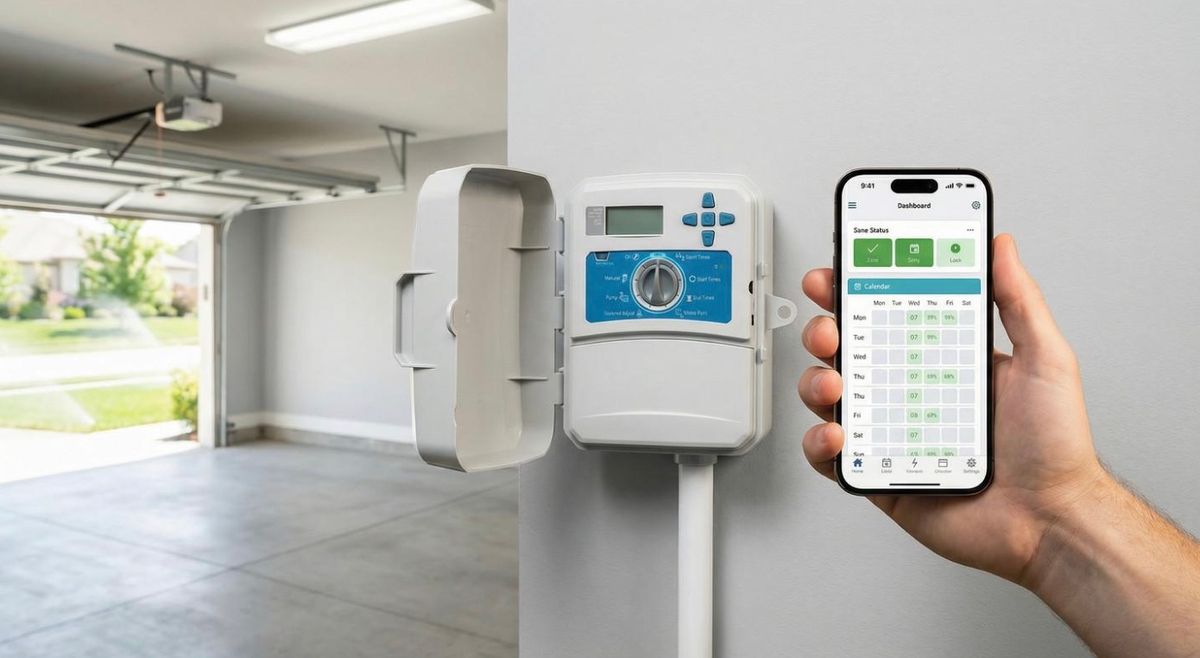
Winterization (also called a "blowout") involves forcing compressed air through every zone to push out all remaining water. Here's what we do: • Connect industrial air compressor to your system's mainline • Blow out each zone individually at the correct PSI • Drain and protect the backflow preventer • Shut down the controller and set it to winter mode • Verify every valve is fully drained • Lock in your spring startup priority scheduling The whole process takes 30–45 minutes for a standard residential system.
What Happens If You Skip It?
We get calls every spring from homeowners who forgot to winterize. Here's what we typically see:
| Damage Type | Typical Repair Cost |
|---|---|
| Cracked PVC pipes | $200–$500 |
| Split valve bodies | $150–$350 per valve |
| Damaged backflow preventer | $300–$800 |
| Broken sprinkler heads | $50–$75 per head |
Related Services
Don't wait for the first freeze to call. Book your winterization early.
Get Your Free Quote