Lake Irrigation Pump Systems in MN
Why Lakeshore Owners Pump Instead of Paying City Rates
A large irrigated lakefront lot can move tens of thousands of gallons through its sprinkler system in a single summer month. On metered municipal water, that shows up as one of the biggest line items a homeowner pays — to keep grass green thirty feet from a lake. A lake-fed pump system replaces the metered supply for irrigation. After the installation cost, the water itself is effectively free, and high-flow pumps often run large zones better than street pressure ever did. For big lakeside lawns around Lake Minnetonka and Prior Lake, the system typically pays for itself within a few seasons.
Anatomy of a Lake-Fed System
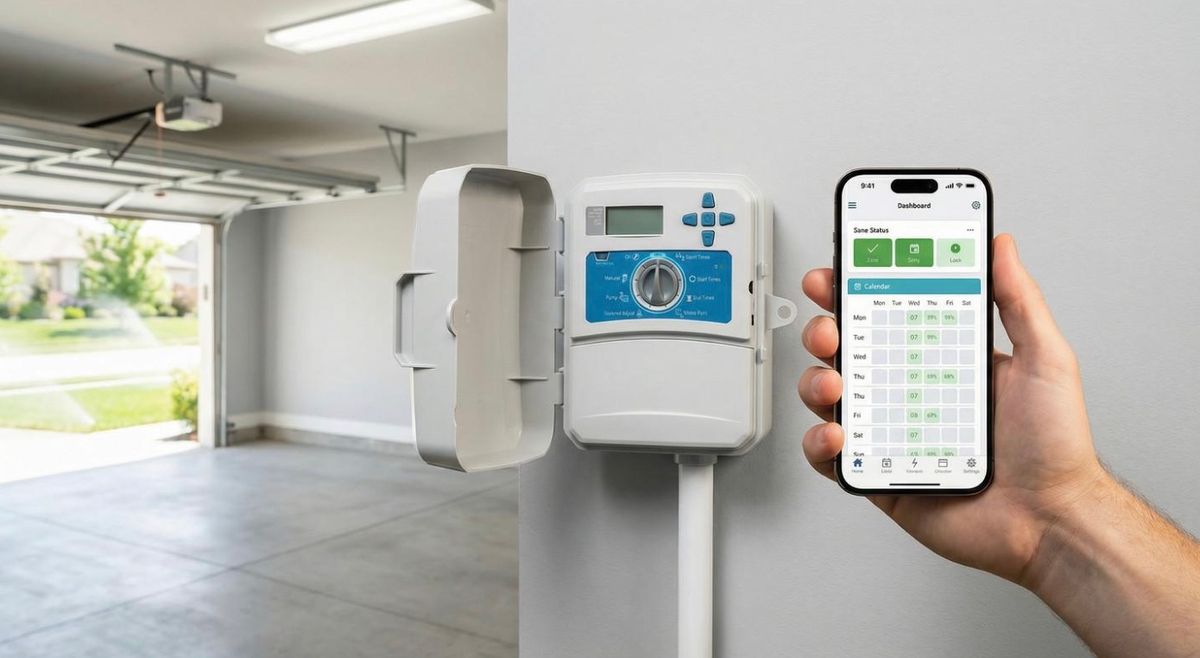
Four components separate a reliable lake system from a clogged, burned-out one: • The pump — sized to your zone flow and the vertical lift from lake surface to lawn. Undersizing is the most common DIY mistake. • The intake — a screened foot valve positioned off the lake bottom, so sediment, weeds, and fry stay out of your lines. • Filtration — a filter stage between pump and manifold matched to your nozzle sizes; drip zones need finer filtration than rotors. • The controller — a standard irrigation controller with a pump-start relay, so zones and pump always run together.
Sizing the Pump to Your System
Rough sizing guidance for typical residential lake systems:
| System Size | Typical Flow Needed | Pump Class |
|---|---|---|
| 4–6 zones, rotors/sprays | 10–15 GPM | 1 HP shallow-well or sprinkler pump |
| 7–12 zones, mixed heads | 15–25 GPM | 1.5–2 HP sprinkler pump |
| 12+ zones or long lift | 25–40 GPM | 2+ HP centrifugal, sometimes two-stage |
| Estate systems with drip + turf | Custom | Engineered pump with pressure regulation |
The Rules: DNR Permits, Infested Waters, and Backflow
Three sets of rules apply to lake draws in Minnesota: DNR appropriation. The Minnesota DNR states: "A water use (appropriation) permit from the DNR is required for all users withdrawing more than 10,000 gallons of water per day or 1 million gallons per year." Most single-home lawns stay under the threshold; large estates can cross it. Drilling a high-capacity well above those amounts also requires a preliminary well assessment first. Infested waters. Withdrawing ANY amount from waters the DNR designates as infested carries separate requirements — check the DNR's infested-waters list for your lake before installing. Cross-connection. Lake water must be completely isolated from your potable plumbing, with backflow protection per the state plumbing code. Shoreland zoning in most lake cities also governs where equipment can sit near the waterline.
Seasonal Care: The Pump Freezes First
The pump is the most freeze-vulnerable component of the entire system. Fall service means pulling or fully draining the pump, blowing out the supply line and zones, and storing the intake before hard frost. In spring, the sequence reverses: reinstall, prime, pressure-test, then walk every zone. Skipping the fall pump pull is the most expensive mistake lake-system owners make — a cracked pump housing typically costs more to replace than several years of professional winterization.
Where We Build Them
Most of our lake-fed work runs along Lake Minnetonka — Wayzata, Orono, Tonka Bay, Excelsior, and Deephaven — plus Prior Lake and lakeshore properties across the west metro. Every city applies its own shoreland setbacks and erosion rules, and we design each system to its city's requirements.
Related Services
Lakefront property? Get a free lake pump system consultation.
Get Your Free Quote