Backflow Testing Minneapolis MN Guide
Why Backflow Testing Is Required
Minnesota state plumbing code and most Twin Cities municipalities require annual backflow preventer testing on all irrigation systems connected to the municipal water supply. A backflow preventer stops contaminated water from flowing backward into the public drinking water system. Without a functioning device, fertilizers, pesticides, and soil bacteria could enter your neighborhood water supply.
Minneapolis & Twin Cities Regulations
Minneapolis requires all testable backflow prevention assemblies to be tested annually by a certified tester. Test reports must be submitted to the city within 30 days. Most surrounding cities — including Edina, Plymouth, Maple Grove, Bloomington, and Eden Prairie — follow the same annual testing mandate. Failure to test can result in fines or water service disconnection.
When to Schedule Your Test
Most cities require testing between April and June, right after spring startup. Here's the typical timeline: • April: Spring startup and initial system check • May–June: Backflow testing window for most municipalities • July: Deadline for submitting test reports in Minneapolis • October–November: Pre-winterization re-check if repairs were needed We recommend scheduling your backflow test at the same time as your spring startup to save a trip.
What Does Backflow Testing Cost?
Backflow testing pricing in the Twin Cities:
| Service | Typical Cost |
|---|---|
| Annual backflow test (residential) | $75–$125 |
| Backflow test + spring startup bundle | $175–$250 |
| Backflow preventer repair | $150–$400 |
| Backflow preventer replacement | $300–$800 |
| City permit/filing fee | $0–$25 (varies by city) |
What Happens During the Test?
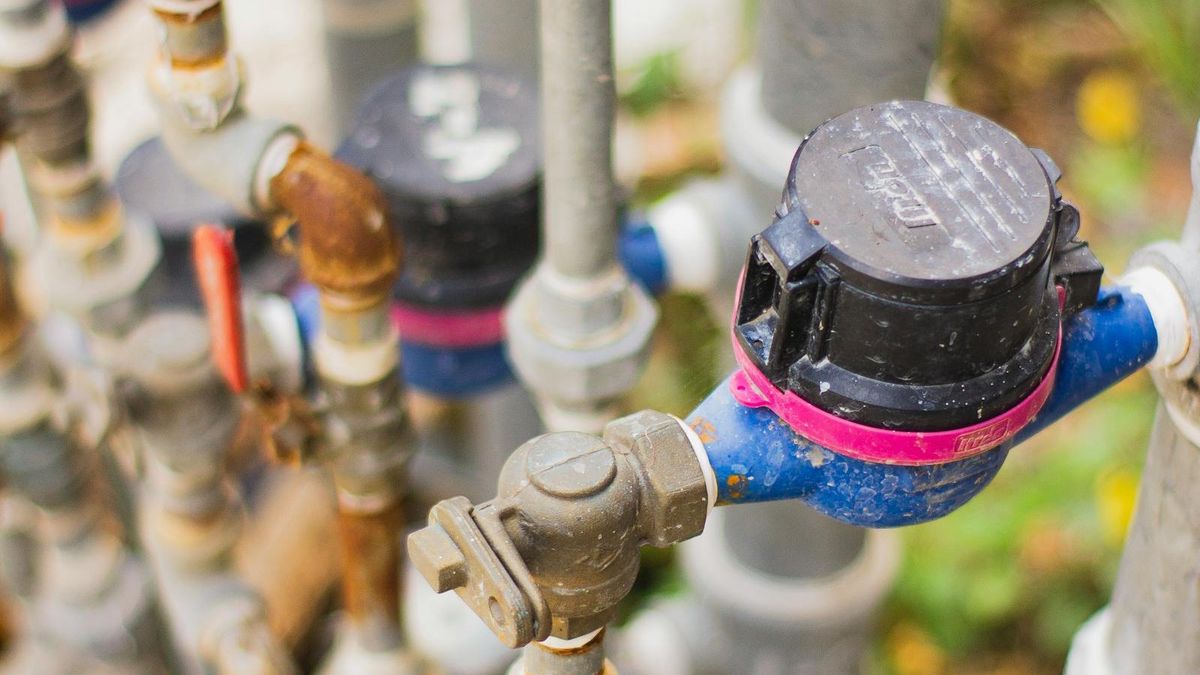
A certified backflow tester connects a differential pressure gauge kit to your device and checks that both check valves and the relief valve are holding within specification. The test takes about 15–20 minutes. If the device fails, we can often repair it on the spot — replacing worn springs, O-rings, or check valve seats. A retest is performed after any repair to confirm the device passes.
Types of Backflow Preventers
The two most common types on residential irrigation systems:
| Type | Where Used | Test Required? |
|---|---|---|
| Pressure Vacuum Breaker (PVB) | Most residential systems | Yes — annually |
| Reduced Pressure Zone (RPZ) | Commercial and high-hazard | Yes — annually |
| Double Check Valve (DCV) | Low-hazard connections | Yes — annually |
Related Services
Need your annual backflow test? Schedule with a certified tester today.
Get Your Free Quote