Minnesota Rain Sensor Law (103G.298)
What the Law Actually Says
Minnesota Statute 103G.298, titled "Landscape Irrigation Systems," reads in full: "All automatically operated landscape irrigation systems shall have furnished and installed technology that inhibits or interrupts operation of the landscape irrigation system during periods of sufficient moisture. The technology must be adjustable either by the end user or the professional practitioner of landscape irrigation services." In plain English: if your sprinkler system runs on a controller, Minnesota law requires it to have a device that stops it from watering when the ground is already wet — and you (or your irrigation contractor) must be able to adjust that device. The statute dates to 2003 and contains no residential exemption: it applies to every automatically operated system in the state.
Who It Applies To
The statute covers all automatically operated landscape irrigation systems — homes, businesses, HOAs, and municipal properties alike. If a controller starts your zones on a schedule, the law applies to you. In practice, compliance questions come up most often on older systems. Many systems installed before the mid-2000s never had a rain sensor added, and a surprising number of newer systems have sensors that were disconnected during a controller swap and never rewired. If you are not sure whether your system has working moisture-interruption technology, a spring start-up inspection will answer it in minutes.
Your Compliance Options and What They Cost
Several technologies satisfy the statute. Installed pricing in the Twin Cities:
| Technology | Installed Cost | How It Works |
|---|---|---|
| Wired rain sensor | $150–$300 | Expanding discs detect rainfall and interrupt the common wire |
| Wireless rain/freeze sensor | $200–$350 | Roof- or gutter-mounted transmitter; also blocks watering near freezing |
| Soil moisture sensor | $250–$450 | Buried probe measures actual root-zone moisture |
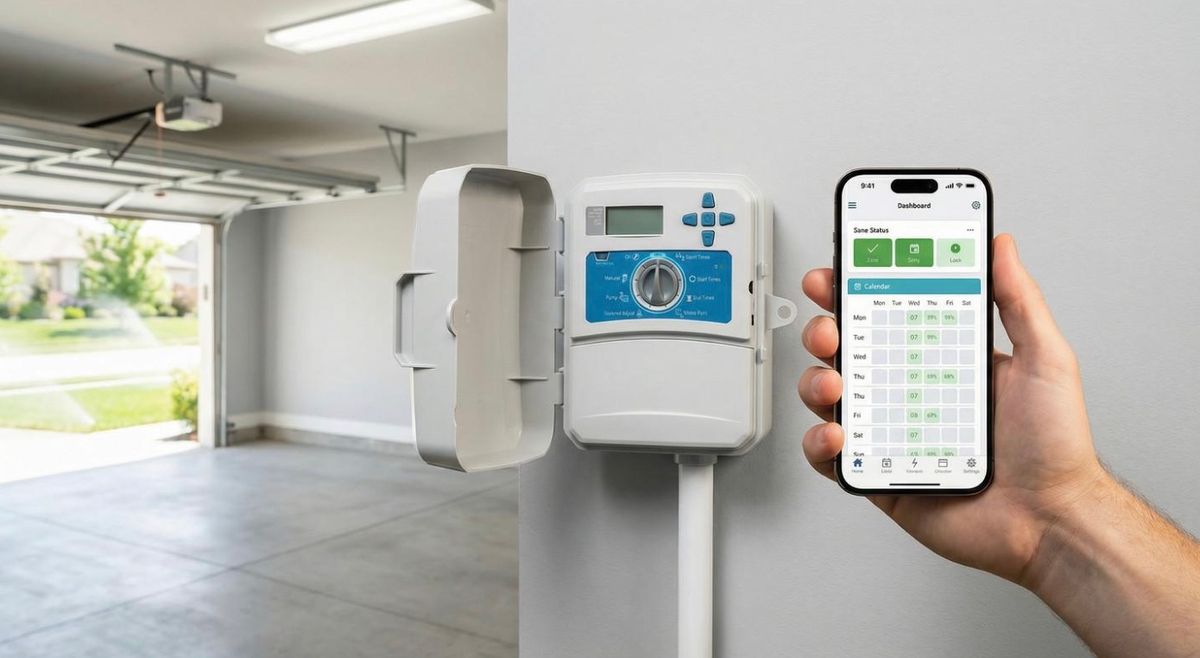
| Smart controller with weather intelligence | $450–$950 | Replaces the clock entirely; adjusts to local weather data automatically |
How Cities Layer Their Own Rules on Top
The state statute is the floor, not the ceiling. Many Twin Cities municipalities add their own requirements and incentives: • Orono's posted water conservation guidance explicitly urges rain and moisture sensors on irrigation systems. • Eagan pays up to $250 per property through its Smart Irrigation Program — an $80 smart controller rebate plus a $170 certified irrigation audit. • Plymouth and Eden Prairie require rain sensor shutoff devices on new installations by city code. Check your city's page in our service area section for the specific rules where you live.
How Grin's Handles Compliance on Every Install
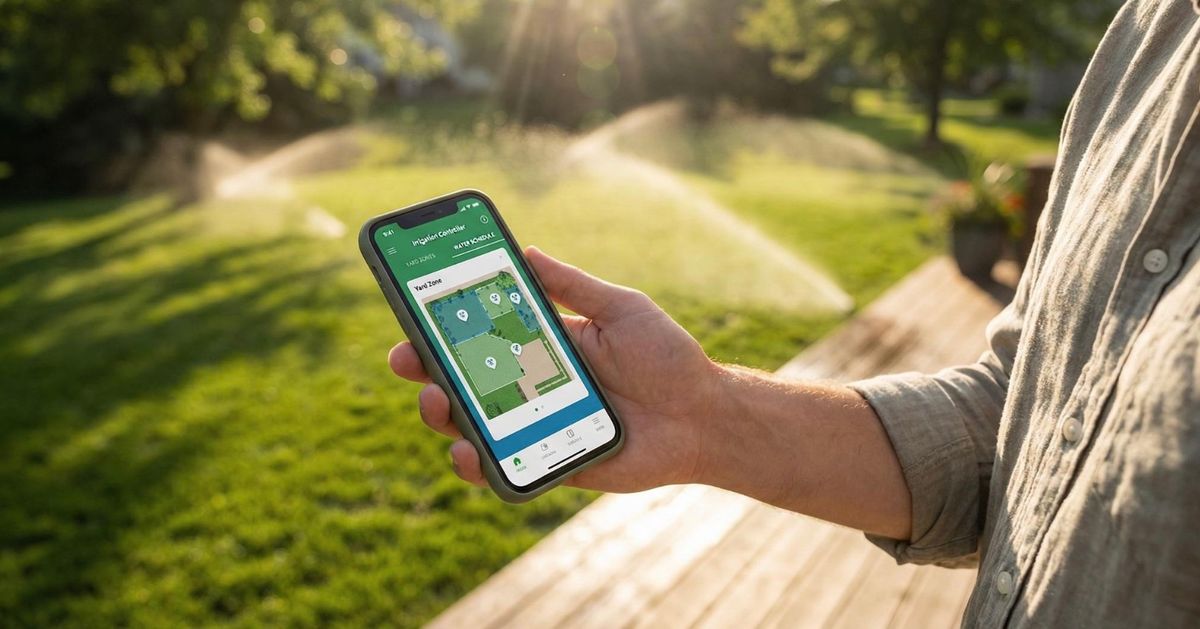
Every system we install ships compliant: a moisture-interruption device is standard equipment, not an upgrade. On retrofits and repairs, we test the existing sensor as part of the visit and tell you plainly whether it works, needs adjustment, or was never connected. For homeowners upgrading to smart controllers, we handle the full swap — wiring, weather-station pairing, schedule programming to your city's watering windows — and where city rebates exist, we complete the paperwork.
Related Services
Not sure your system is compliant? Schedule an inspection with our team.
Get Your Free Quote