Drip Irrigation Guide for Twin Cities
What Is Drip Irrigation?
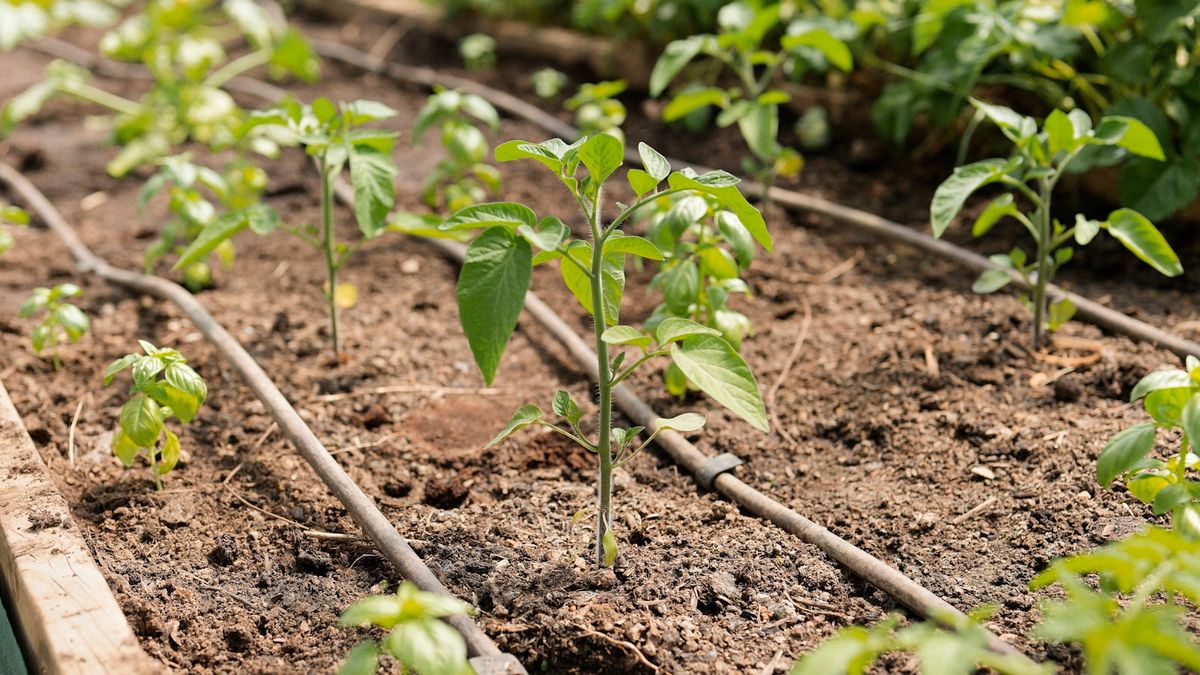
Drip irrigation delivers water directly to plant root zones through a network of tubing and emitters. Instead of spraying water into the air like traditional sprinkler heads, drip systems apply water slowly at ground level. This eliminates wind drift, reduces evaporation, and puts every drop exactly where plants need it. Drip systems typically use 30–50% less water than conventional spray irrigation for the same planted area.
Best Applications for Drip Irrigation
Drip irrigation works best in specific areas of your landscape: • Garden beds and perennial borders: Emitters placed at each plant deliver precise watering without wetting foliage. • Foundation plantings: Low-volume watering near your home's foundation without splash-back on siding. • Vegetable gardens: Row-by-row drip tubing keeps produce clean and reduces fungal disease. • Trees and shrubs: Deep-root watering rings deliver water below the surface where roots need it. • Slopes and hillsides: Eliminates runoff that spray heads cause on grades. • Container gardens and raised beds: Micro-tubing connects pots to your main irrigation system.
Drip Irrigation Costs
Typical pricing for drip irrigation in the Twin Cities:
| Application | Cost Range |
|---|---|
| Garden bed drip zone (per zone) | $200–$500 |
| Full perimeter foundation drip | $800–$1,500 |
| Vegetable garden drip system | $300–$600 |
| Tree and shrub deep-root bubblers | $150–$300 per tree |
| Drip zone added to existing system | $250–$450 |
| Complete drip-only system (small lot) | $1,500–$3,000 |
Drip vs. Spray: Side-by-Side
How drip compares to traditional spray irrigation:
| Factor | Drip Irrigation | Spray Irrigation |
|---|---|---|
| Water efficiency | 90–95% | 50–70% |
| Wind drift loss | None | 10–30% |
| Evaporation loss | Minimal | Moderate |
| Weed growth | Reduced (targeted) | Increased (broad coverage) |
| Maintenance | Filter cleaning, emitter checks | Head adjustment, nozzle cleaning |
| Best for | Beds, gardens, trees | Lawns, large turf areas |
| Installation complexity | Moderate | Standard |
Minnesota-Specific Considerations
Drip irrigation in Minnesota requires some cold-climate planning: • Winterization is critical — all drip lines must be blown out before freeze. Drip tubing is more vulnerable to freeze damage than rigid PVC pipe. • Use pressure-compensating emitters to handle the variable municipal water pressure common in Twin Cities suburbs. • Install a filter on every drip zone — Minnesota's mineral-rich water can clog emitters over time. • Soil moisture sensors pair well with drip systems to prevent overwatering in our clay-heavy soils. • Mulch over drip tubing to protect it from UV degradation and reduce evaporation further.
Related Services
Interested in drip irrigation for your property? Get a free design consultation.
Get Your Free Quote